Generations of creatively-inclined young people have heard some version of the same advice – keep art and design as a hobby, and choose a more practical career instead. But new research into South Africa’s creative economy shows that some of the most exciting career opportunities currently available sit within digital and design-led fields.
Presented to the public earlier this month, the South African Cultural Observatory’s (SACO) latest report on economic trends in the cultural and creative industries forecasts continued growth in design and creative services to 2029. Audio-visual and interactive media has recorded particularly strong growth since 2020, and is expected to continue expanding, driven partly by digital media, streaming, and new production and distribution models.
The sector is already economically significant, with cultural occupations accounting for 6% of all South African jobs, and the creative industries contributing nearly 3% of economic activity in 2020, despite the major disruption caused by the pandemic.
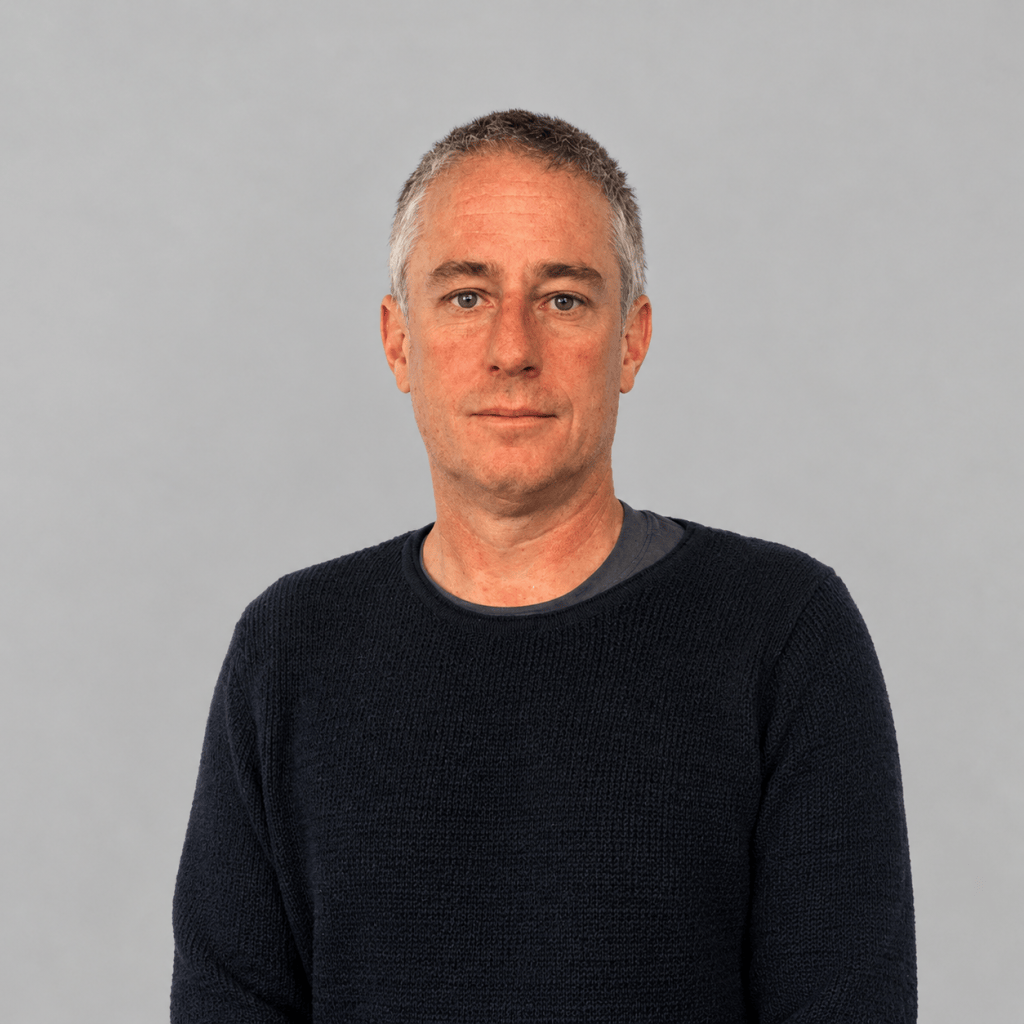
Ivor Templer, Head of the School of Art and Design at the Academic Institute of Excellence (AIE), notes that the findings offer a compelling reason to reconsider the assumption that a creative career is less serious or viable than a more conventional career path.
“Creative careers are sometimes spoken about as though they are a passion first and a profession second. But creatives are responsible for the illustrations, campaigns, interfaces, and visual identities that businesses and consumers are willing to pay for. The conversation with young people therefore needs to focus on where their creative abilities can take them and how they can develop these abilities into professional skills.”
The opportunities extend beyond South Africa’s borders. SACO notes that the creative services trade has grown much faster globally than trade in physical creative goods over the past decade as industries such as design, music, publishing, and audio-visual media have moved towards digital delivery. Notably, global creative services exports reached US$1.378 trillion in 2022, compared with US$713 billion in creative goods.
For students considering careers in art and design, the figures point to the fact that creative work is no longer necessarily tied to a physical product or a traditional studio. Similarly, opportunities are not confined to local employers, as a designer can produce work for clients in other cities or countries. For example, SACO’s report states that 36.2% of people in cultural occupations were working as freelancers in 2024, up from 30.7% in 2010, as digital platforms have forged new paths for creatives to reach clients and audiences beyond their immediate location.
At the same time, employers are placing considerable value on creative thinking itself. The World Economic Forum’s Future of Jobs Report 2025 ranked creative thinking fourth among the core skills required in the workplace in 2025, with 57% of employers identifying it as important. It is also expected to increase even further in value towards 2030.
For prospective students and their parents, however, old perceptions about what constitutes a secure or worthwhile career can be difficult to dislodge. Templer argues that part of the problem is that the word “creative” can make professional creative work sound more informal than it really is.
“A good idea is only the beginning. Professional designers need strong technical proficiency, and they also have to work within commercial realities, interpret briefs, solve practical problems, respond to criticism, and keep developing an idea until it works. That is very different from simply being good at drawing or having imaginative ideas.”
“Students need to understand how creative work functions in the real world. A designer might be creating a brand identity one day and solving a digital user-experience problem the next. Other graduates may move into illustration, animation, advertising, content production, or emerging areas of digital design.”
The changing industry means creative professionals cannot rely on artistic ability alone. SACO identifies digitalisation and technologies such as generative AI as major forces impacting how creative work is produced and distributed. Its report argues that successfully taking advantage of these opportunities will depend partly on whether creatives have the education and skills to use emerging technologies effectively.
This gives higher education a key role. Creative talent may be the starting point, but building a sustainable career requires students to understand professional practice and to have the technical expertise expected within their field.
Templer states that this is why the old distinction between a “creative passion” and a “real career” no longer holds water.
“The bigger message is ultimately that young people should make career decisions based on a realistic understanding of the opportunities available rather than an outdated hierarchy of which fields count as ‘proper’ professions. South Africa needs people with many different kinds of expertise. Creative professionals belong in that picture too. A sector accounting for 6% of the country’s jobs is difficult to dismiss as a hobby economy.
“So, for a young person with genuine creative ability, the question should not be whether they ought to put it aside when they leave school. It should be how far they could take it.”
 Lani Magazine